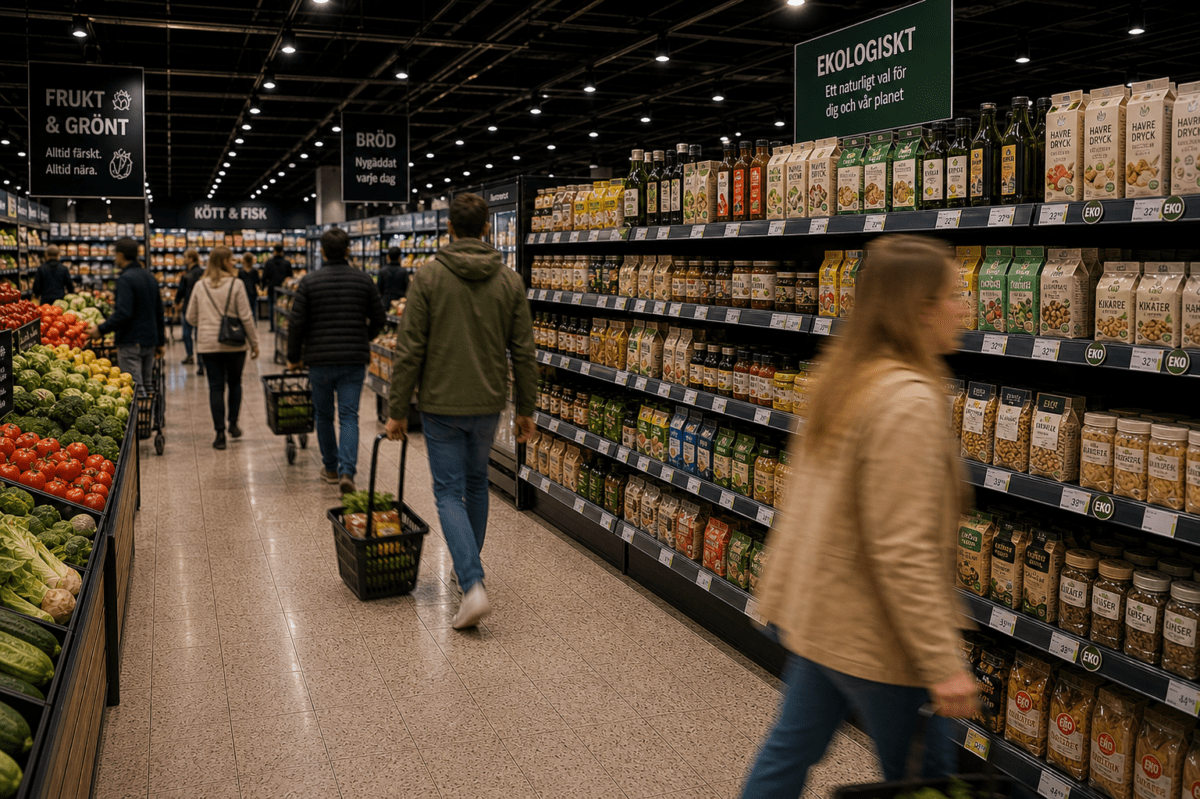
A new review by the Swedish Society for Nature Conservation (Naturskyddsföreningen) shows that organic products are taking up less and less space in stores’ campaigns. The issue has received wide media coverage and engages many people – not least at a time when the desire to shop sustainably meets increasingly squeezed household finances.
The review shows that the share of campaigns featuring organic products has almost halved, from 6.7% in 2018 to 3.4% in 2025. At the same time, sales of organic food have also fallen. But that’s not the whole picture. According to a Novus survey from 2025, a quarter of Swedes think organic is the most important factor when they buy food. So there is a clear willingness among consumers – but it isn’t fully translated into actual purchases.
An important explanation lies in how consumer behaviour has changed in recent years. After a period of high inflation, price has become an increasingly decisive factor in purchasing. Organic products, which often have a higher price, therefore become harder to prioritise. At the same time, organic competes with other values, such as Swedish-produced or Fairtrade, which many consumers attach greater importance to. So it isn’t necessarily the campaigns themselves that are driving this development. Rather, we are seeing a change in buying behaviour where shoppers are increasingly opting out of organic, which in turn affects which products are featured in campaigns.
A more nuanced picture behind the decline
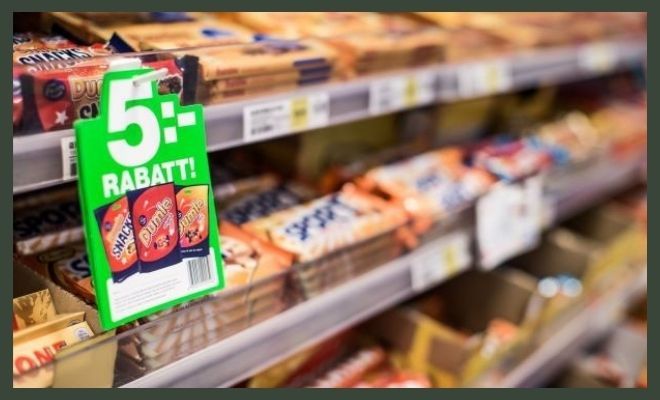
The review is based on an analysis of promotional leaflets – an important but limited perspective. Leaflets have a clear role in inspiring shoppers and driving traffic to categories, but they are not the most effective way to drive sales of organic products. In a quick price comparison, the organic option can seem expensive because it usually has a higher base price. There is therefore a high risk that consumers don’t even consider buying in the category, and the campaign doesn’t have the desired effect.
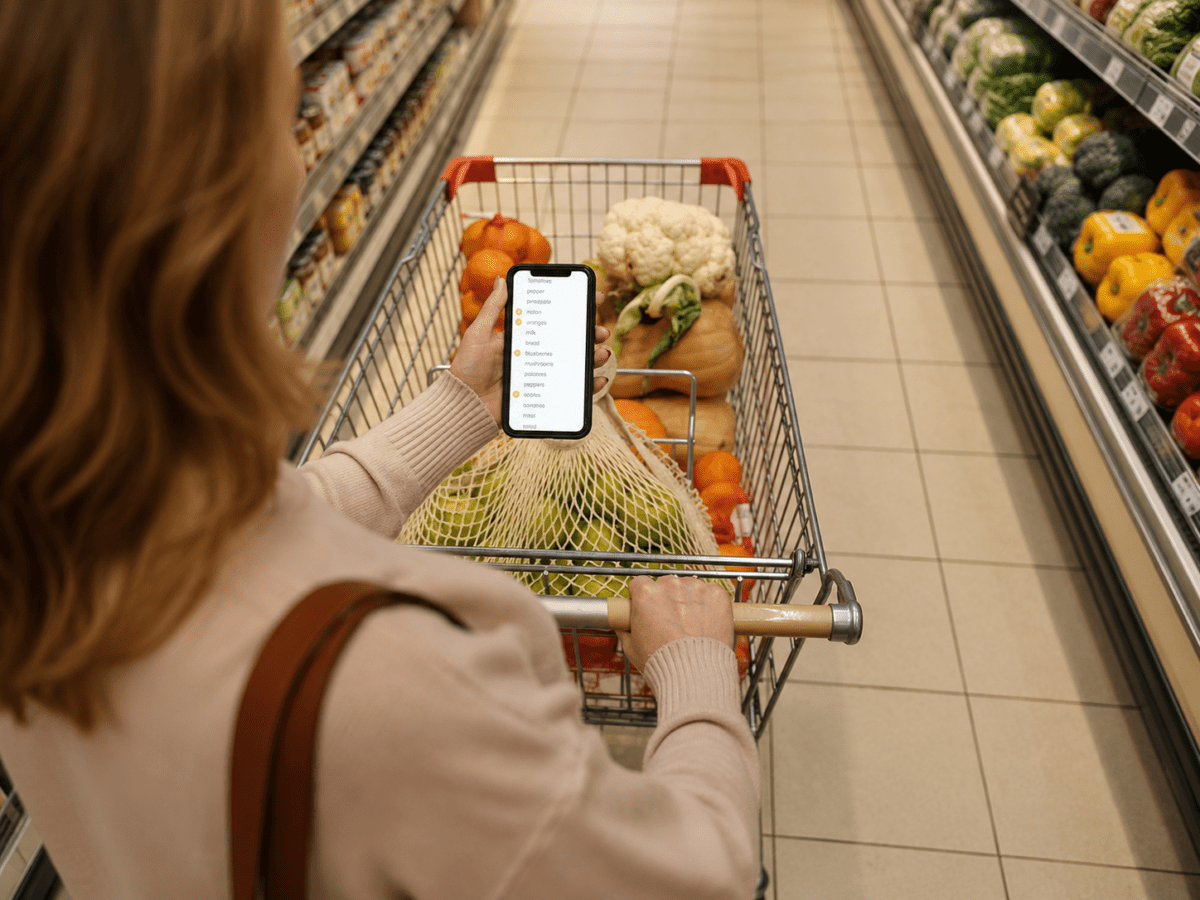
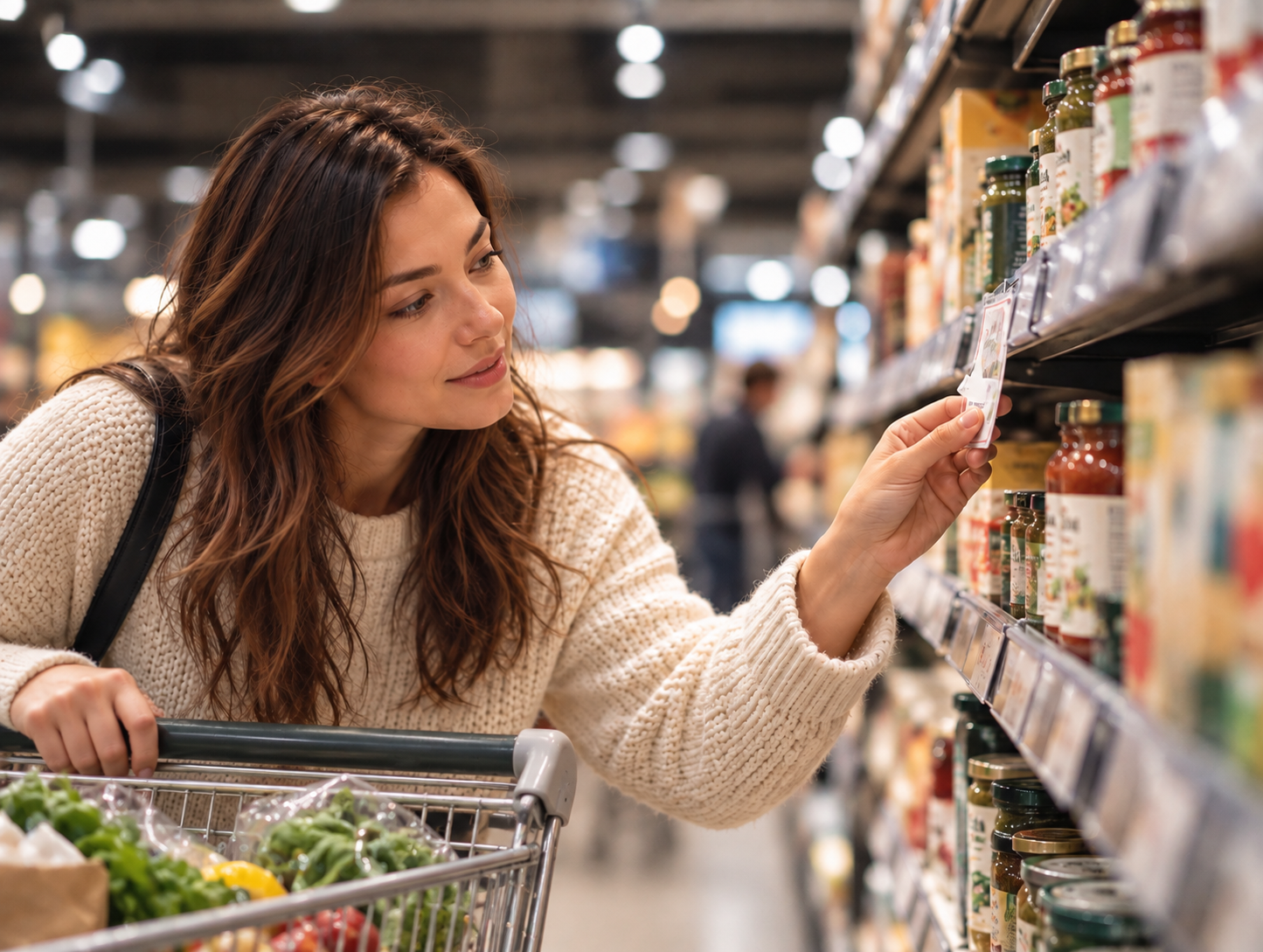
If, on the other hand, you succeed in driving consumers to a particular category, the decision-making process looks different. When the consumer is standing at the shelf, the choice has already narrowed. It is no longer about whether or not to buy – but about which option to choose. At that point, organic products can be made much more relevant, especially if they are presented with an attractive offer in the moment.
Coupons can reverse the trend
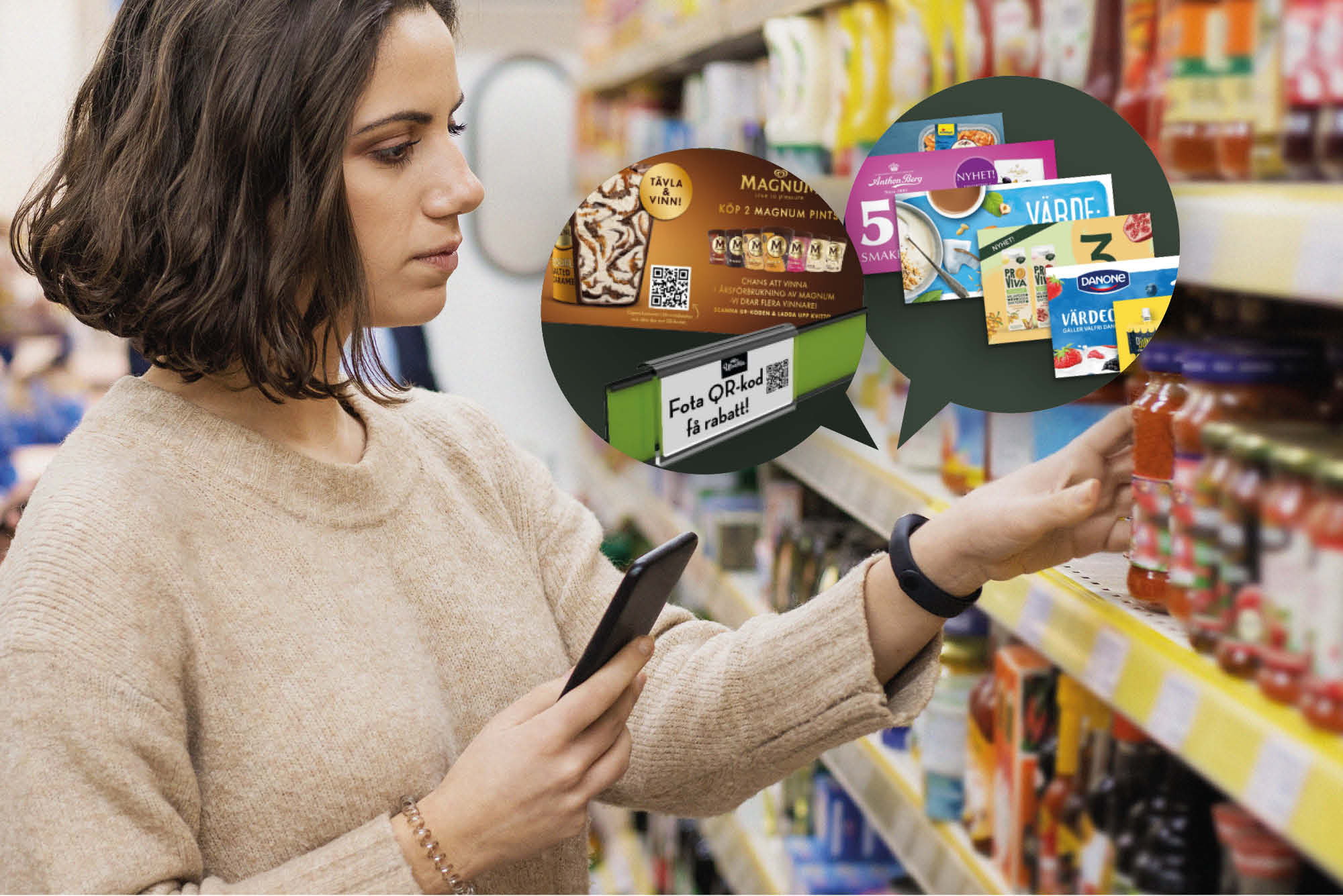
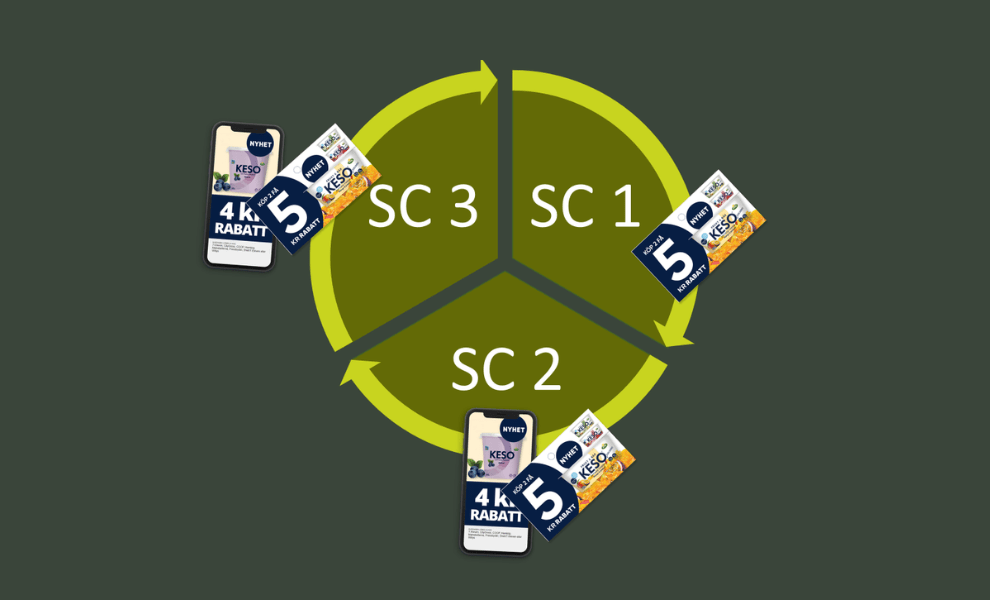
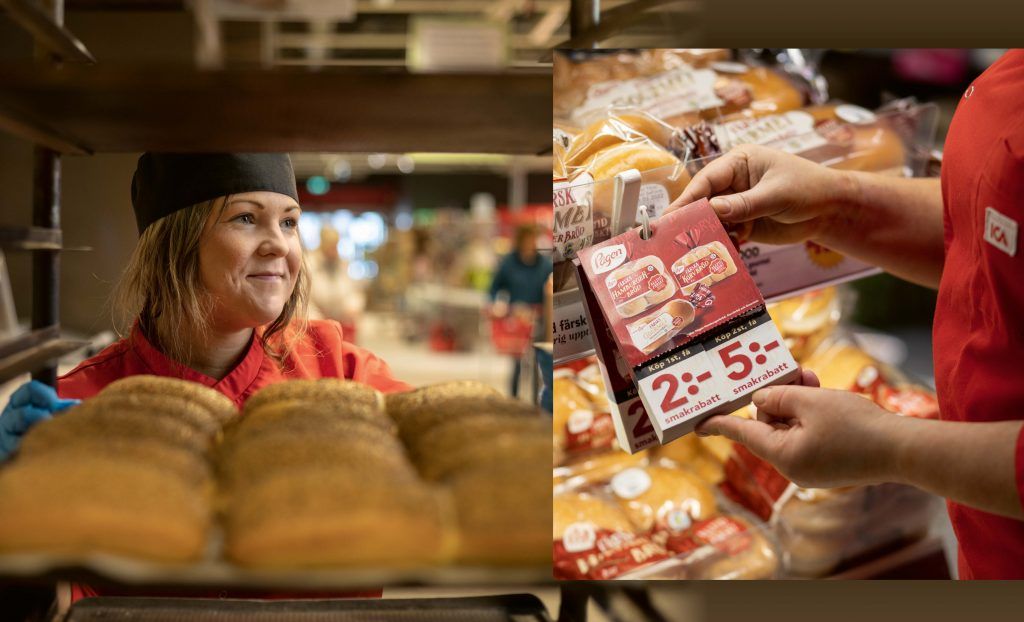
Campaign leaflets can be good for bringing consumers into a category, but once they are there, other tools decide the choice. Coupons lower the threshold, break habitual buying patterns and make it easier to steer the choice at the shelf – towards organic alternatives, for example. They are also fully funded by the supplier, making them a tool that creates value for both consumer and store.
The conclusion is that the decline in organic campaigns doesn’t necessarily mean that interest in organic is falling. Rather, it suggests that both stores and suppliers have become more selective about how campaigns are used – and where they have the greatest effect. For players who want to drive progress, it is about meeting consumers at the right moment with the right tools.
Would you like to know more about how you can grow your sales and work more precisely with in-store campaigns? We at Clearon are happy to help you find the right strategy going forward.
.png)