Few trade agreements are surrounded by as much drama as the Mercosur agreement. Negotiations began in 1999 and have since been marked by political shifts, global crises, environmental debates and fierce deadlocks. When the agreement was recently both signed off and then put on hold, it became clear how sensitive the issue still is. At the same time, it is one of the most extensive agreements the EU has ever negotiated, and the consequences for grocery retail could be significant.
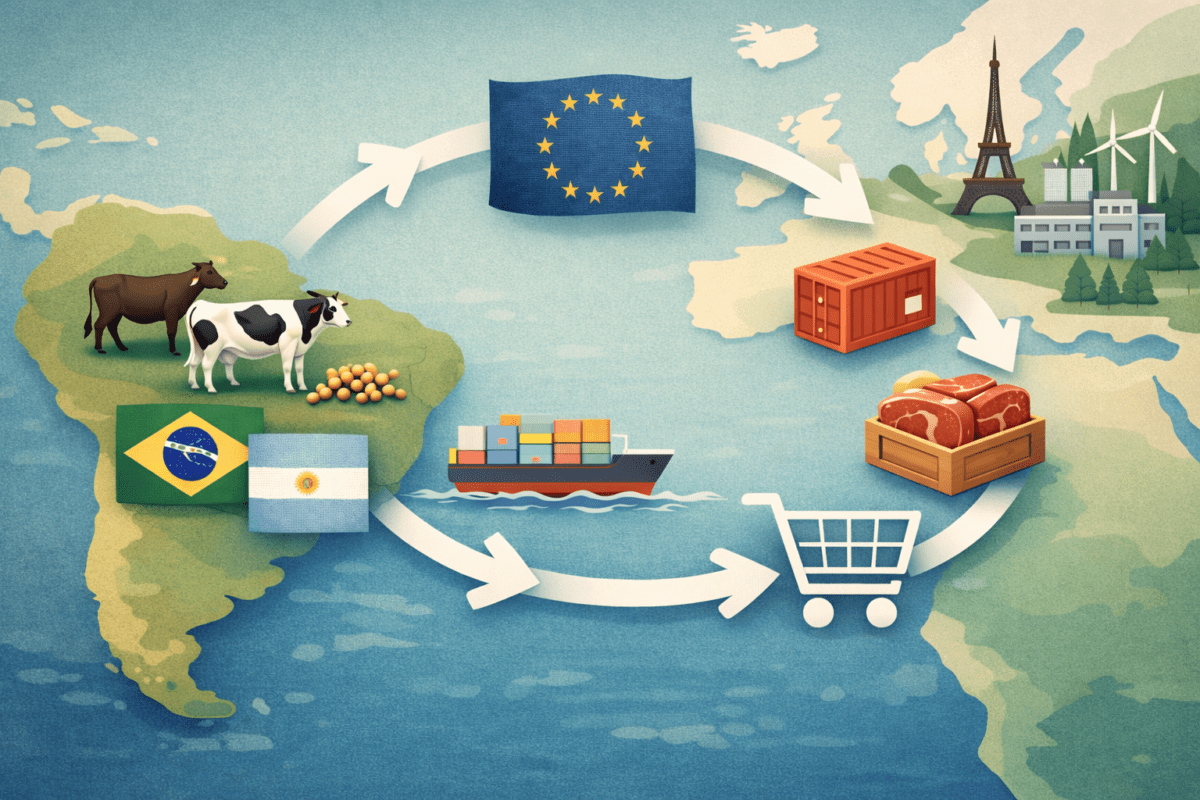
Mercosur is a customs union made up of Brazil, Argentina, Uruguay and Paraguay, which together form the world’s sixth-largest economy. The agreement between Mercosur and the EU aims to simplify trade between the EU and South America and to lower tariffs on more than 90% of the goods traded between the parties. This stands in stark contrast to the more protectionist developments we are seeing at the same time in the US under Donald Trump.
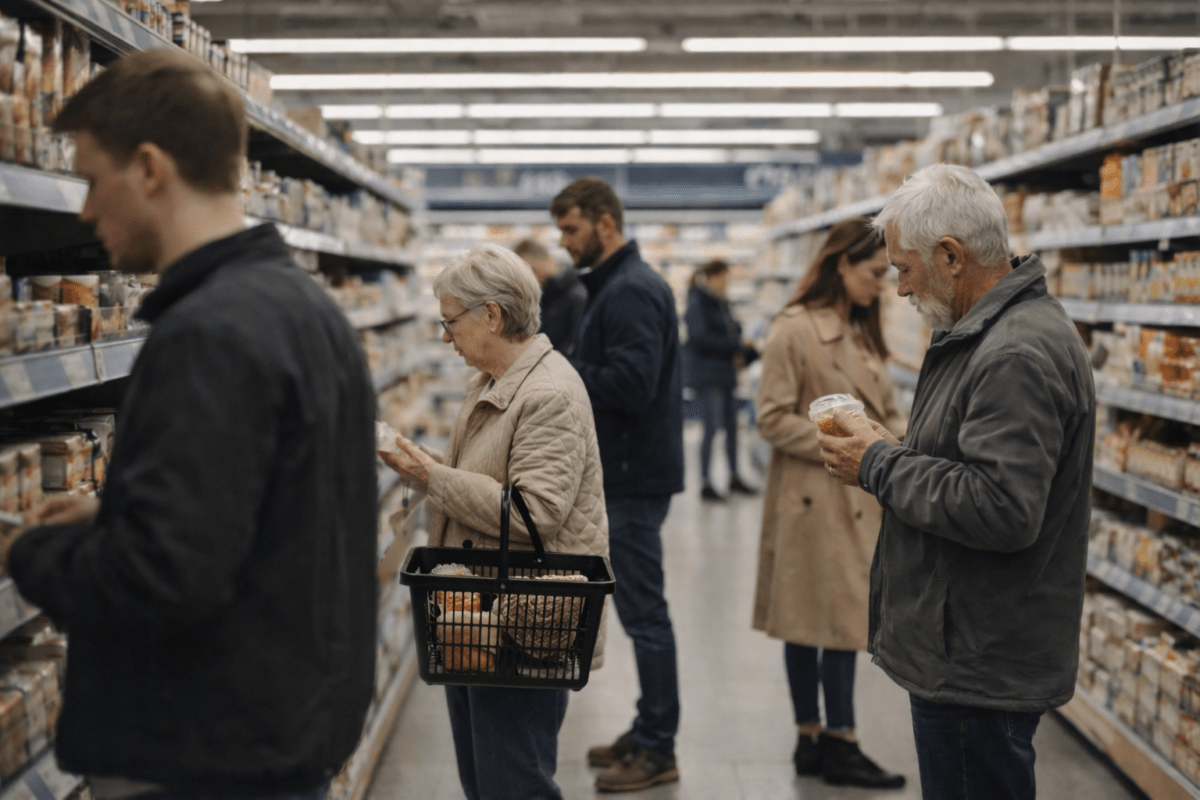
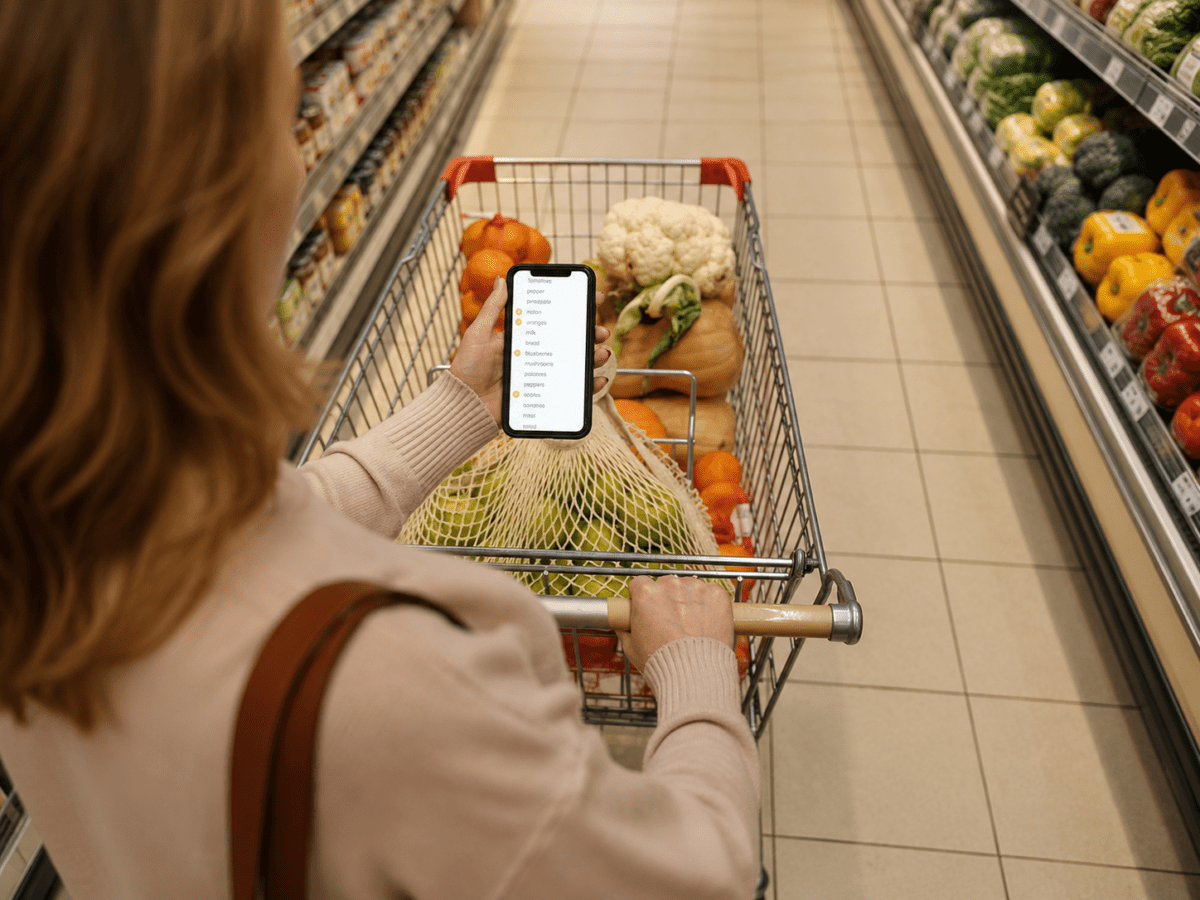
For grocery retail, this is highly relevant. An increased inflow of food from South America could affect both prices and product ranges in Swedish stores. For consumers, it could mean more choice and, in some cases, lower prices. European producers and suppliers face increased competition from players with different cost and production conditions, but also gain access to a larger export market.
Opposition to the agreement has been strong in several EU countries, mainly on environmental grounds and over what protesters describe as competition on unequal terms. Rainforest destruction, large-scale cattle farming and pesticide use have attracted a great deal of attention, and the protests have at times been fierce. In France and Germany, farmers have blocked roads and dumped large quantities of manure outside government buildings, among other things. The fact that it has taken a full 26 years to reach a deal says a lot about how complex the agreement is.
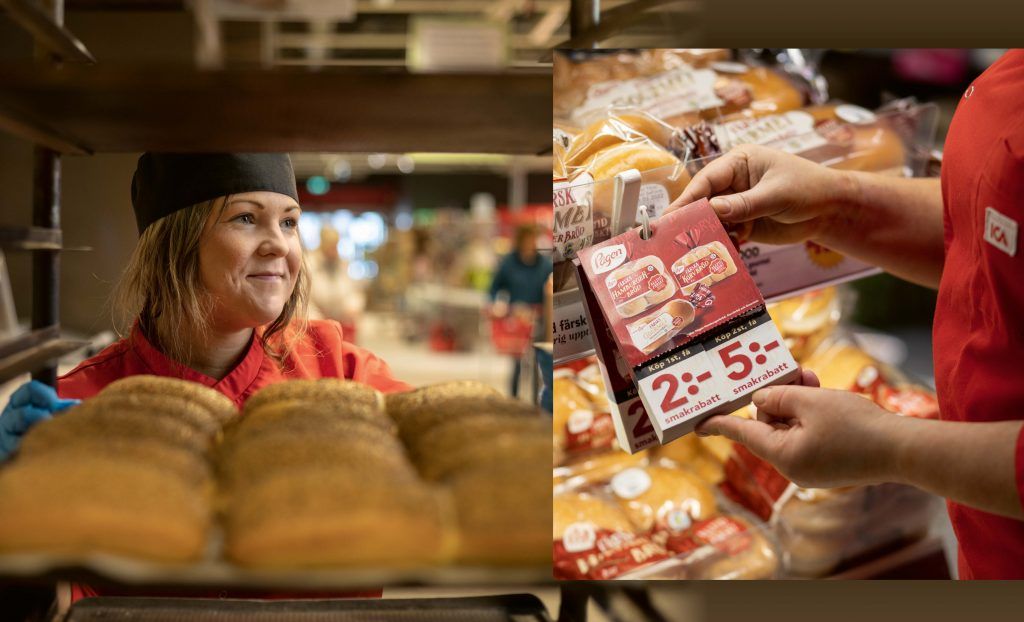
Although the Mercosur agreement has been signed off, it is not quite over the line yet. The European Parliament recently voted for the EU Court of Justice to examine whether the agreement is compatible with EU law. It is therefore entirely possible that the process will drag on even longer. But the direction is clear. Trade policy is changing and grocery retail is affected. For the industry, this means a broader range, more price points and greater demands for clarity. When there are more alternatives, simply being on the shelf is not enough. The ability to communicate value and guide consumers in the right direction becomes a decisive competitive factor. For us at Clearon, it is about understanding how these changes affect stores, suppliers and consumers as the playing field is redrawn.

.png)