How much longer will the traditional paper coupon live on? Clearon is often asked this question, and those asking point both to the environment and to digital developments. To find out how far shoppers have come when it comes to downloading a digital coupon in store, Clearon recently carried out an in-store study in partnership with Retail Academics. Four different suppliers took part in the study, in the frozen, beverage, bread and confectionery categories.
“Our aim was to investigate what motivates shoppers, and what barriers they may have, when it comes to using QR coupons downloaded on the spot in store. A secondary aim was to gain greater insight into how shoppers view digital offers in store and to see whether the effects vary between categories,” says Camilla Silbersky, Marketing Director at Clearon.
Hard to break through the noise
It has long been known that the store environment overloads shoppers with cognitive stimuli. Earlier studies have shown, among other things, that as much as 99.7% of the range is missed by shoppers in larger stores, and that a shopper spends an average of just 69 seconds at a category. What’s more, an average family buys only 143 different products over the course of a year.
“In other words, we have a cognitive filter that sorts what is relevant to us from what isn’t. That’s why it’s hard for a supplier to break through and reach the shopper,” says Camilla Silbersky.
Paper coupon or QR coupon?
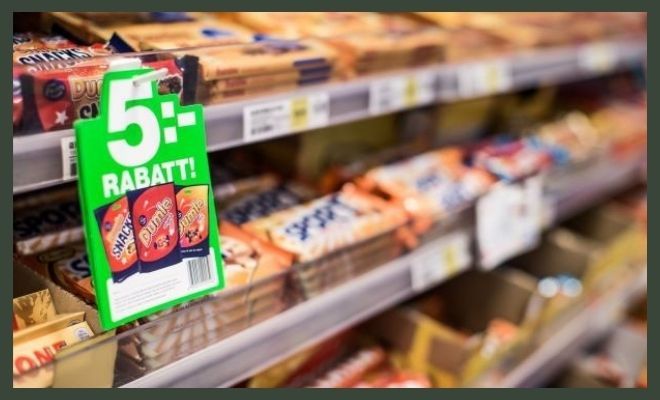
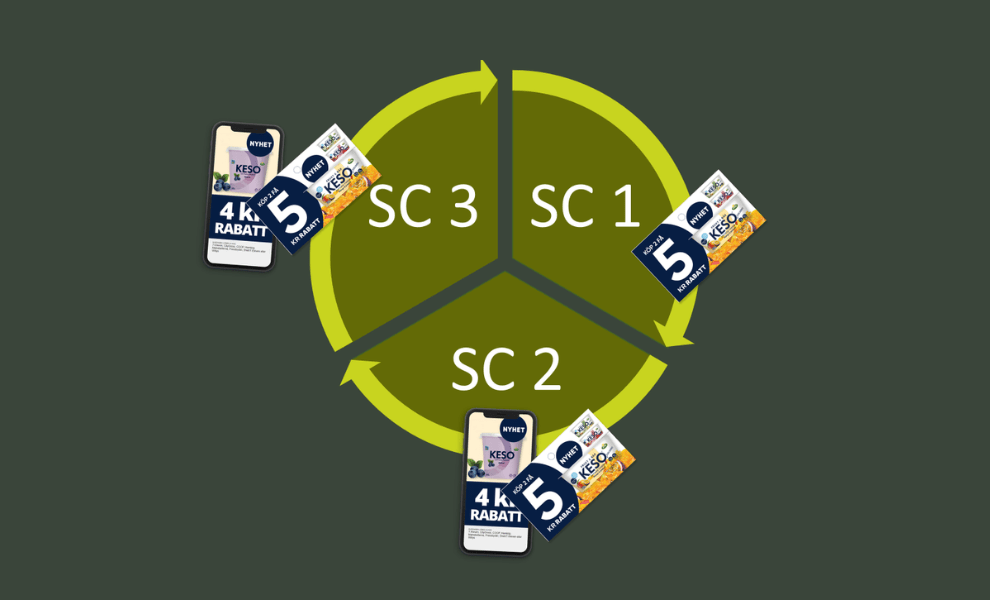
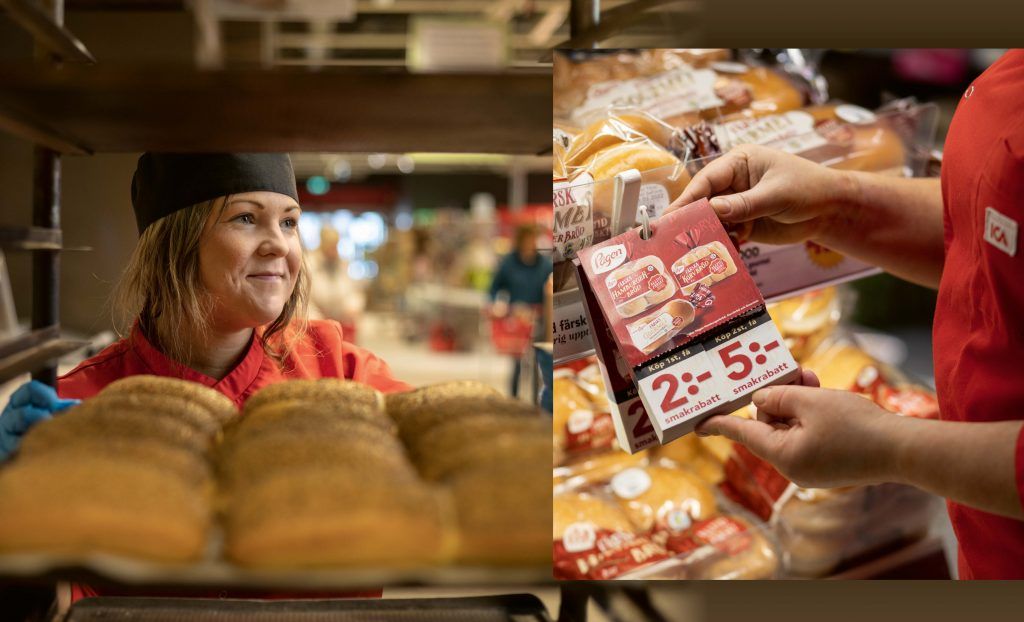
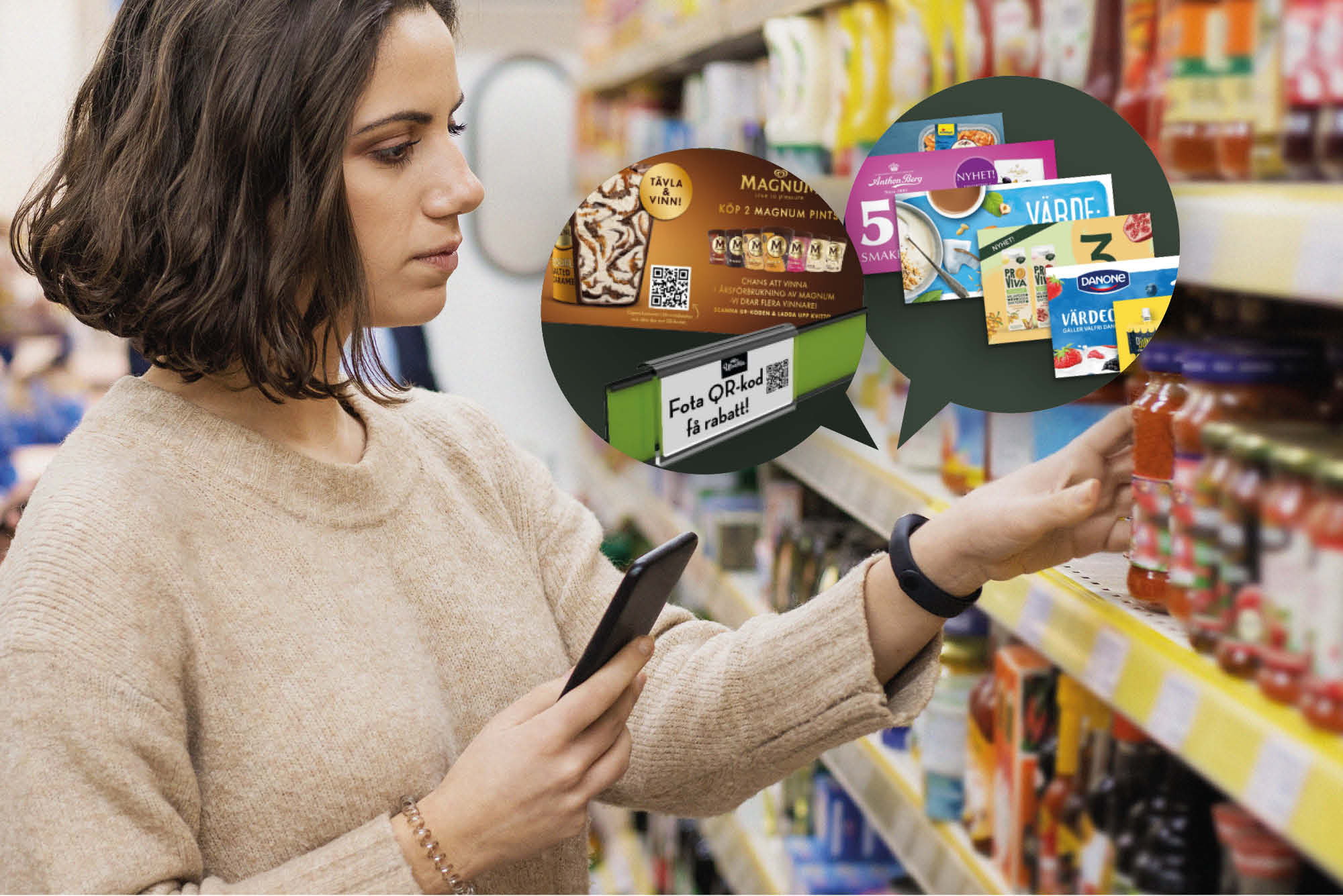
The study, which was carried out over six weeks in four different ICA stores, was divided into a qualitative part involving 37 shoppers aged from 18 to 61+, and a quantitative part measuring the sales effect of the different coupons. Every other week there was a physical coupon at the shelf edge, and every other week a shelf wobbler with a QR code that shoppers could scan to reach a digital coupon.
The results showed that many shoppers were initially positive towards QR coupons. They thought it was a new, fun idea that made shopping a little more enjoyable. As many as 24% had noticed the wobbler with the QR code when they passed the shelf, and 43% could imagine using the offer on the coupon. A good discount, not having to use a paper coupon and a generally positive attitude to coupons were the reasons given for this positive view.
“Over time, more people will get used to using digital coupons. Even though a majority currently prefer paper coupons, we see the potential in offering both options in future, but it will take some time,” says Camilla Silbersky, continuing: “Another lesson is that, as a supplier, you can work on making both the QR code on the shelf wobbler and the call to action clearer and more visible on your POS material.”
Lower redemption with QR coupons
In the quantitative study, with around 500 redeemed coupons, both physical and digital, the results showed different redemption rates. The traditional paper coupon was redeemed five times as often as the QR coupon, and 19% of the products sold during the period can be linked to a redeemed paper coupon, while only 2% can be linked to a redeemed QR coupon. For the QR coupon, there was no difference between categories. However, the people who actually downloaded the coupon redeemed it to a high degree.
Applies only to QR coupons in store
It is important to note that the results of the study apply only to QR coupons downloaded directly from a shelf wobbler in store. “For campaigns that include gamification or competitions and are advertised on social media, we can see the same high redemption figures as for traditional paper coupons, which is absolutely fantastic. So it’s important not to confuse a digital coupon from a QR code in store with a digital coupon collected through other channels outside the store,” says Camilla Silbersky.
When it comes to other types of digital coupons, for example from social media campaigns, or when shoppers have actively collected a digital coupon themselves through a competition or similar, attitudes and redemption are completely different. “We’ve seen that in a large number of completed activities as well as in other studies. For example, the study ‘Who is the coupon user?’ shows that shoppers use all types of coupons. When asked about the last time they used a coupon, 44% said they had used a physical coupon in store and 38% that they had used a digital coupon,” concludes Camilla Silbersky.

.png)