The VAT cut on food in Sweden has hardly gone unnoticed. Stores have been quick to show that they have passed on the reduction, restaurants have questioned why they were left out and politicians have competed to take the credit. At the same time, something else has happened quietly: prices have become harder to understand. For many customers, it suddenly feels less clear than it has for a long time what is cheap, reasonable or worth buying.
The VAT cut that came into force at the turn of the month means that VAT on food was cut from 12% to 6% in one go. The effect has been clear in store. According to Matpriskollen, this is the largest price drop it has ever measured in a single month. The cut has therefore also reached consumers to a large extent, as intended, giving households some welcome breathing space.
But there are, of course, several perspectives. For consumers it is positive – the government’s own calculations suggest that a family with children can save up to SEK 6,500 a year. At the same time, it represents a large cost to the state, around SEK 37 billion over two years – money that could have been used for other targeted measures. And in the background there is continued cost pressure from raw materials, energy and the global situation, which means the question of future price rises is still highly relevant.
But in the middle of this discussion there is one perspective that has received surprisingly little attention: the price points themselves. When VAT was adjusted, prices were cut in a mathematically correct way – but not always in a commercially optimal one. Classic price points have suddenly disappeared from the shelf. A product that used to cost SEK 9.90 now ends up at SEK 9.37. It’s a correct price, but it looks unusual and breaks with what customers are used to seeing on the shelf. Even if prices are likely to find their way back to more familiar levels over time, it means the price picture now feels messier and decisions in store take longer. When comparison becomes harder, the likelihood also increases that customers go on autopilot instead of discovering something new. In a situation like this, it becomes especially important to help customers at the moment of purchase and make it clear what is actually a good choice here and now.
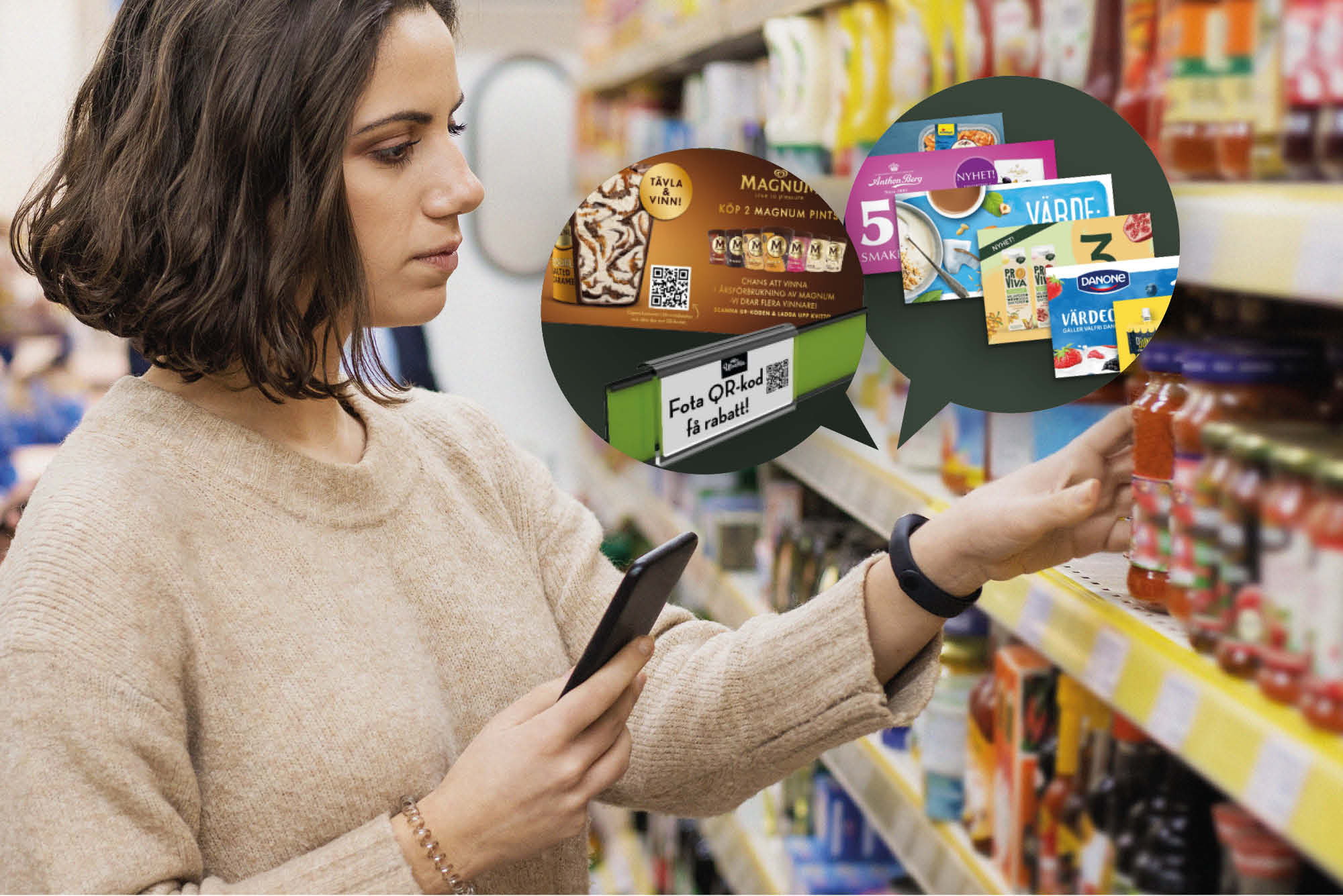
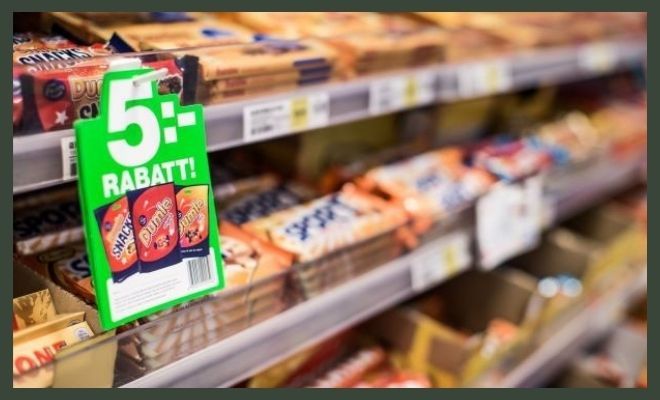
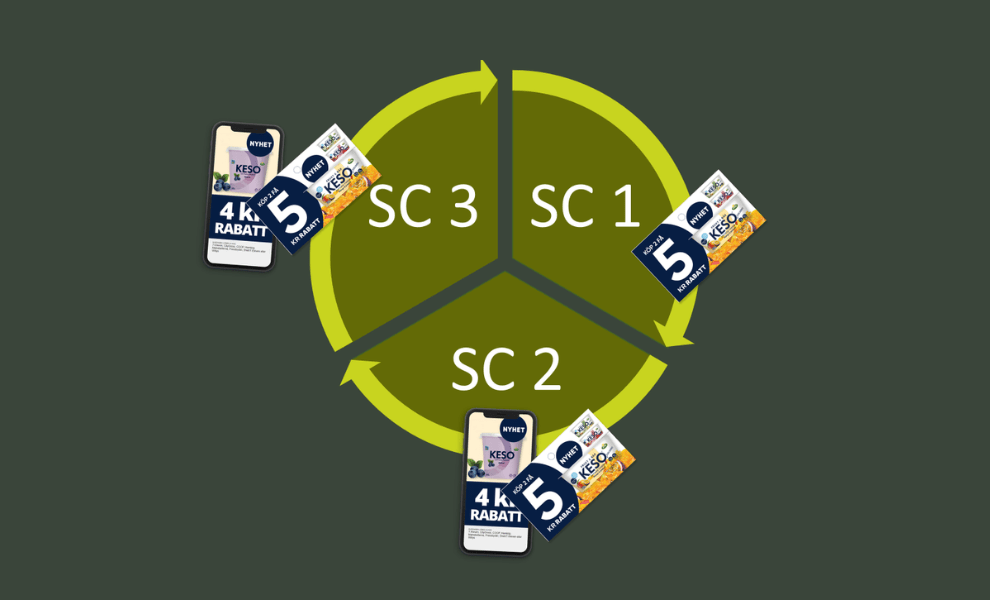
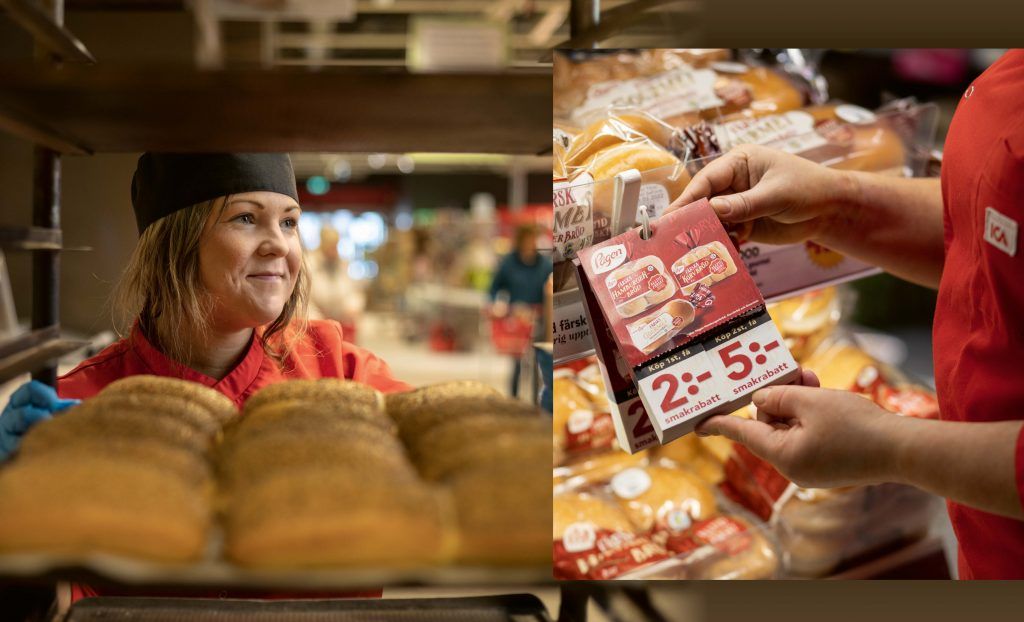
When the price picture is out of balance, clear offers become a way to create that clarity. Coupons and campaigns act as support in an otherwise unclear decision-making situation. They give customers concrete value in the moment and make the choice easier. For the store, this means not only that more purchase decisions are made, but also that it becomes possible to highlight the right products and create movement in categories where customers would otherwise choose what they always buy.
The VAT cut has changed the playing field. Prices are lower – but also harder to interpret. For stores that succeed in making it easy for customers to make the right choice, there is a lot to gain.
At Clearon, we are following developments closely and can clearly see how the right in-store activation can make a big difference when prices are in flux. In a situation like this, making it easy for customers to choose becomes ever more important. Clear offers and coupons then become a natural way to create exactly that clarity – while also contributing to both a better customer experience and increased sales in store.

.png)