In a changing media and communications landscape, it is essential to tailor your communication to your audience and make an effort to give customers what they are genuinely interested in. But how do you hit the mark without casting your net too wide? This is where collecting data – and knowing how to use it smartly – is crucial.
“Today, many companies send the same message to all their recipients, but that isn’t a successful strategy. We need to shift from thinking in terms of big, broad campaigns aimed at a wide audience to working more with targeted, personal communication addressed directly to the recipient,” says Gilles Lenaerts, Sales Manager at Clearon’s partner Qualifio.
“It’s also better to communicate with your audience on an ongoing basis, for example through newsletters, social media and targeted advertising, than to rely on a handful of big campaigns that go out broadly a few times a year. Frequency is important to always stay top of mind,” he continues.
Greater engagement with interactive campaigns
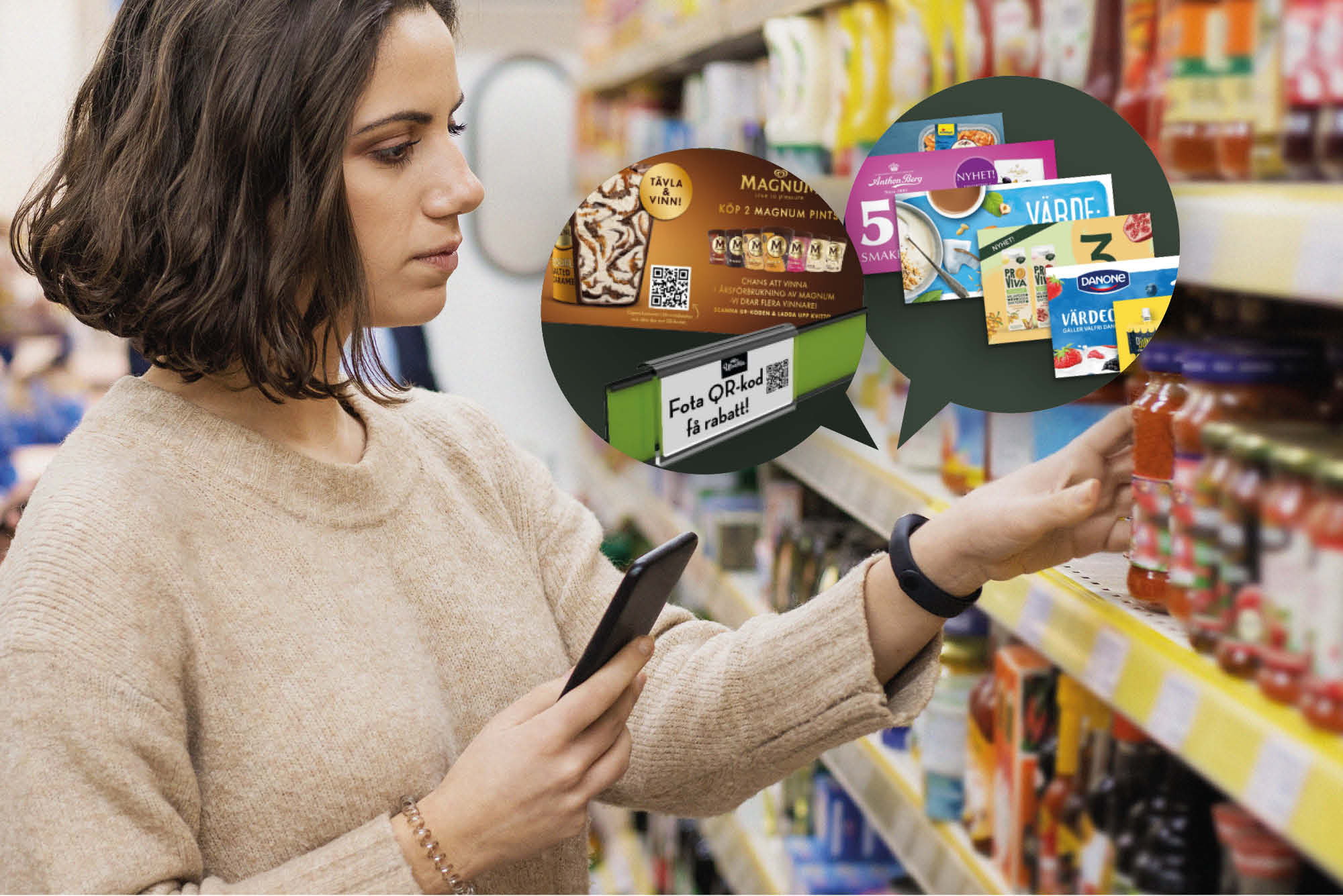
Together, Clearon and Qualifio offer a large and constantly growing range of interactive campaigns that increase consumer engagement across all digital channels. They include everything from competitions, quizzes and polls to surveys, landing pages, photo and video contests and much more.
“Not only do you reach the right audience and engage the digital generation with these interactive brand experiences linked to different offers – you also collect a large amount of data, figures that are invaluable for analysing and evaluating campaigns and planning future activities,” says Petri Keränen, Head of Sales & KAM at Clearon.
Use your data the right way
So how do you make the best use of the data collected during a campaign like this?
“Collecting data just for the sake of it is never a good idea. Do your homework first and think about what you are going to use the information you collect for. You want data that makes you and your brand relevant to your audience,” says Gilles Lenaerts, adding that you should think carefully, already at the design stage, about what information you want recipients to share.
As an example, he mentions brands’ loyalty programmes. Not everyone who is a member of a customer loyalty programme is likely to want the same offer. One person wants discounts, another wants free samples and a third might want premium offers.
“By asking the customer a simple question about what they prefer, you get important data that allows your next campaign to be even more personal and targeted. That, in turn, creates a closer relationship with the customer,” says Gilles Lenaerts.
How Nestlé Purina succeeded
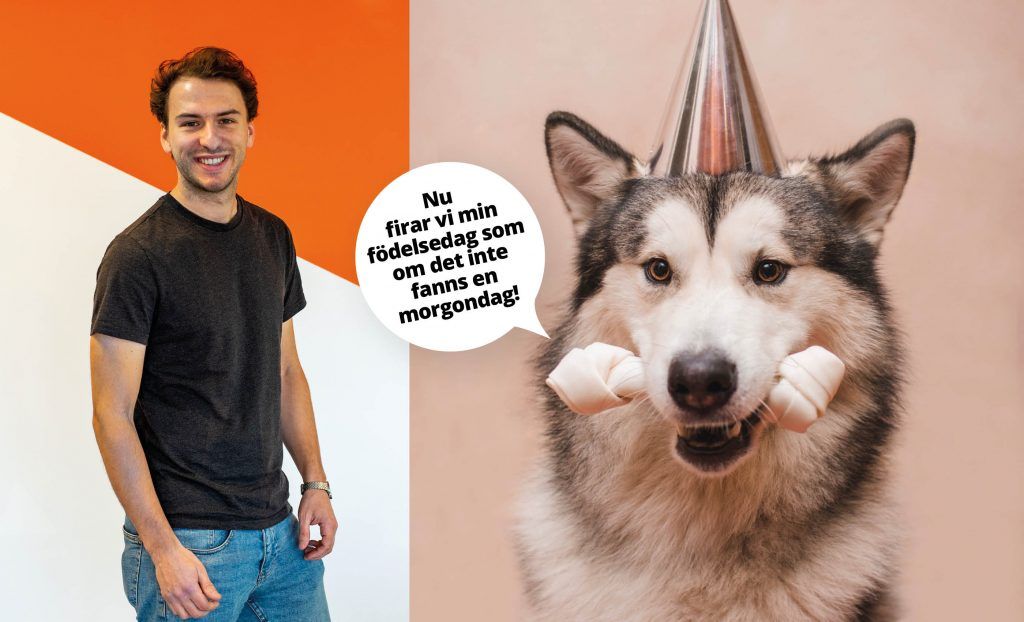
One brand that has done this well is Nestlé Purina, which sells dog and cat food. In its interactive campaign, which first ran in the Benelux countries and has since been launched in more than 60 countries, it not only captured dog owners by offering free samples when they entered a competition, but also collected data on the customer’s dog breed as well as the dog’s name and birthday – important information for the next step in its marketing.
“With that information, Nestlé Purina was able to make its next campaign even more personal and targeted, with different offers for different customers depending on how old their dog was, its breed, size and so on. In other words, they built an even stronger bond with their customers by using the information they gained from an interactive campaign,” concludes Gilles Lenaerts.

.png)