Perhaps you’ve heard the name Ozempic, followed Novo Nordisk’s rise on the stock market or seen social media fill up with testimonials about rapid weight loss. The attention has been enormous. But fundamentally, this is a class of medicines that affects not only waistlines but also how people experience hunger, fullness and cravings. When these drivers change, the fundamentals of how we shop – and how the grocery market works – change too.
Use has exploded
The use of so-called GLP-1 receptor agonists – medicines for obesity and type 2 diabetes – has increased sharply in recent years. Products such as Ozempic, Wegovy and Mounjaro have gone from specialist treatments to broad consumer phenomena in the US. This in turn has contributed to sharp increases in value for the manufacturers, including Novo Nordisk.
Today, more than 10% of the adult population in the US is estimated to be using some form of GLP-1 medicine. That corresponds to tens of millions of households whose consumption patterns have changed in a short space of time. Several analyses show that households with at least one user have already cut their food spending by several per cent. For retail, this means billions in lost revenue. So we are past speculation – the effects are measurable and visible in cash flows.
What changes in the basket?
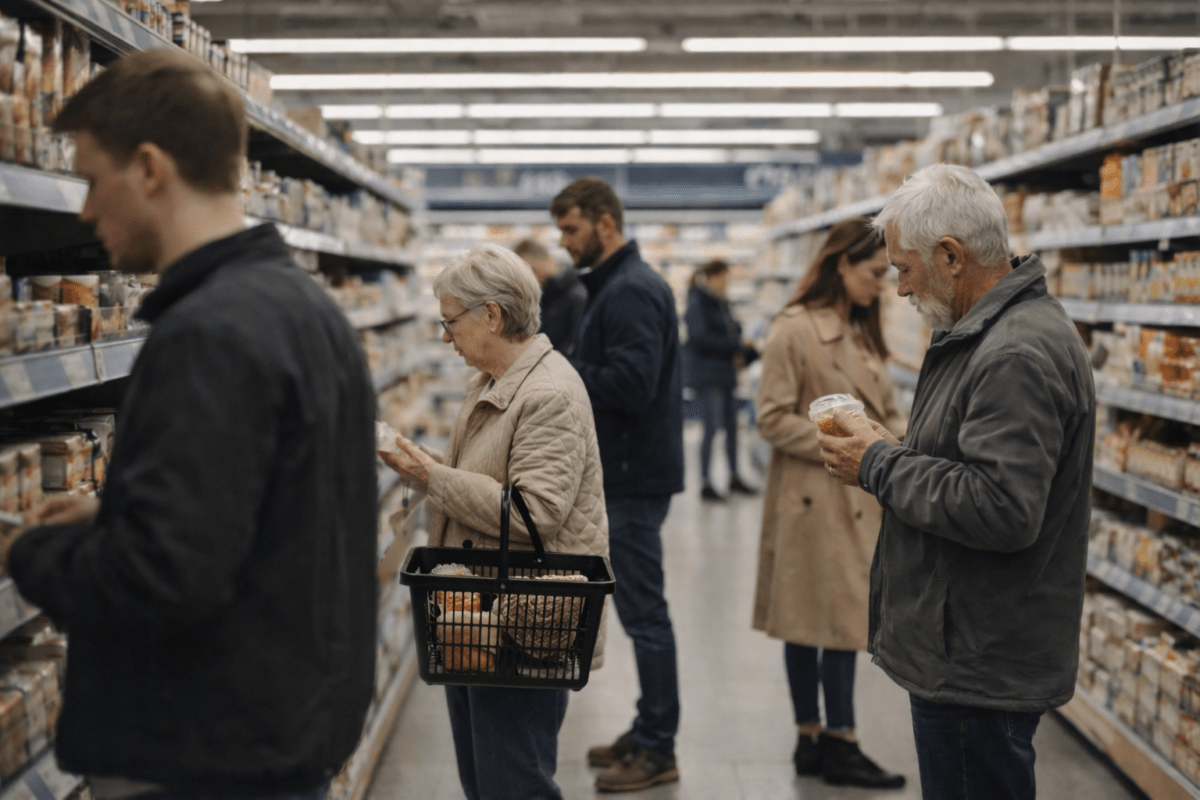
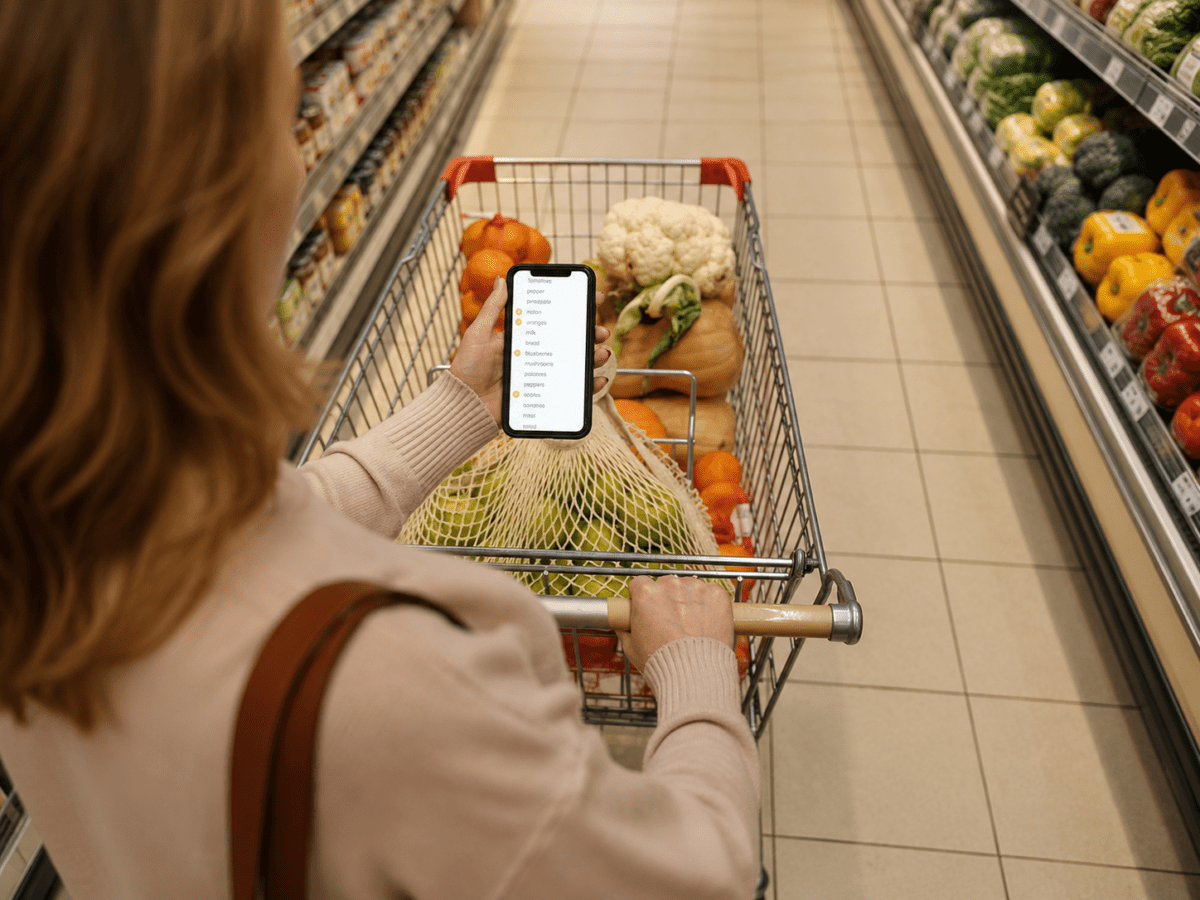
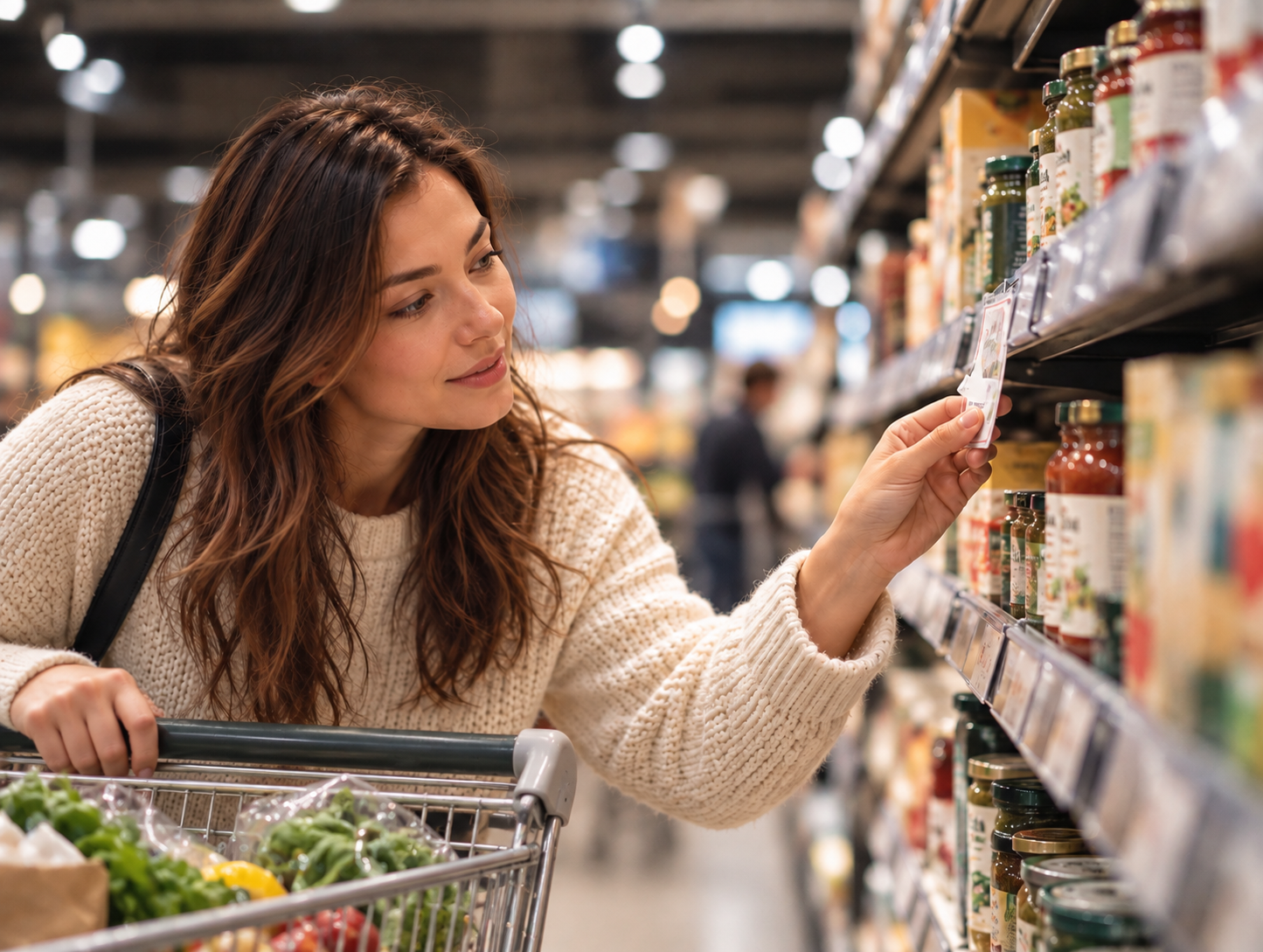
GLP-1 medicines mimic a hormone that regulates blood sugar and fullness. Appetite decreases and preferences change. Many say they opt out of calorie-dense and ultra-processed options. Volumes in categories such as snacks, soft drinks and confectionery are falling, while smaller pack sizes and products with a clear link to protein are gaining share. Consumers often become less impulsive and don’t treat themselves in the same way as before.
What does it mean for our market?
In Sweden, use is considerably lower and more regulated. Cost, subsidies and medical guidelines are slowing rapid uptake. At the same time, production capacity is being expanded globally, prices are being pushed down and new forms of administration, such as tablets, are being developed. What we are seeing in the US is not necessarily our future on exactly the same scale, but it is a clear signal of direction.
For suppliers, this development means that portfolios need to be adapted to a consumer who eats less but more consciously. Smaller pack sizes, clearer portioning and a greater focus on protein, fibre and nutrient density may become more important as calorie-dense segments lose momentum. Working more closely with the chains on range, data and development may prove crucial to countering the change in time and securing relevance in new growth areas.
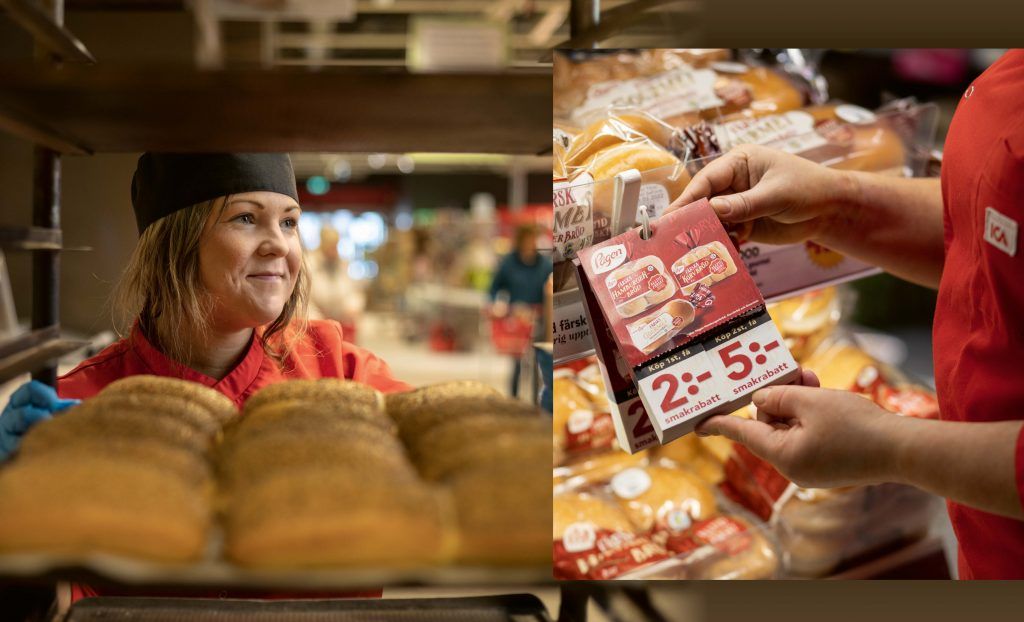
For stores, the impact is mainly about a changing sales mix. As more customers prioritise nutrient-dense and portion-controlled options, some categories may shrink while others grow. This may mean a need to adjust the composition of the range and allocate space according to how demand develops. In the UK, for example, several chains have already begun curating special offers and meal solutions for consumers using GLP-1 medicines – a sign of how quickly range strategy may need to be adjusted when behaviour changes.
The food industry has always changed. New dietary trends, regulations and consumer demands have redrawn the market before. GLP-1 is another such force – but it affects appetite itself, and therefore the very basis of demand. The change is already happening around us, and the players who start adapting in time will be in a stronger position when it takes hold here too.
For us at Clearon, it’s about helping you turn changing behaviour into real sales. With the right activation, you can continue to earn a place in the customer’s basket, spark interest at the shelf and drive trial even as purchases become more selective. Would you like to know how you can adapt your strategy while strengthening your impact in store? Contact us and we’ll tell you more.
.png)